

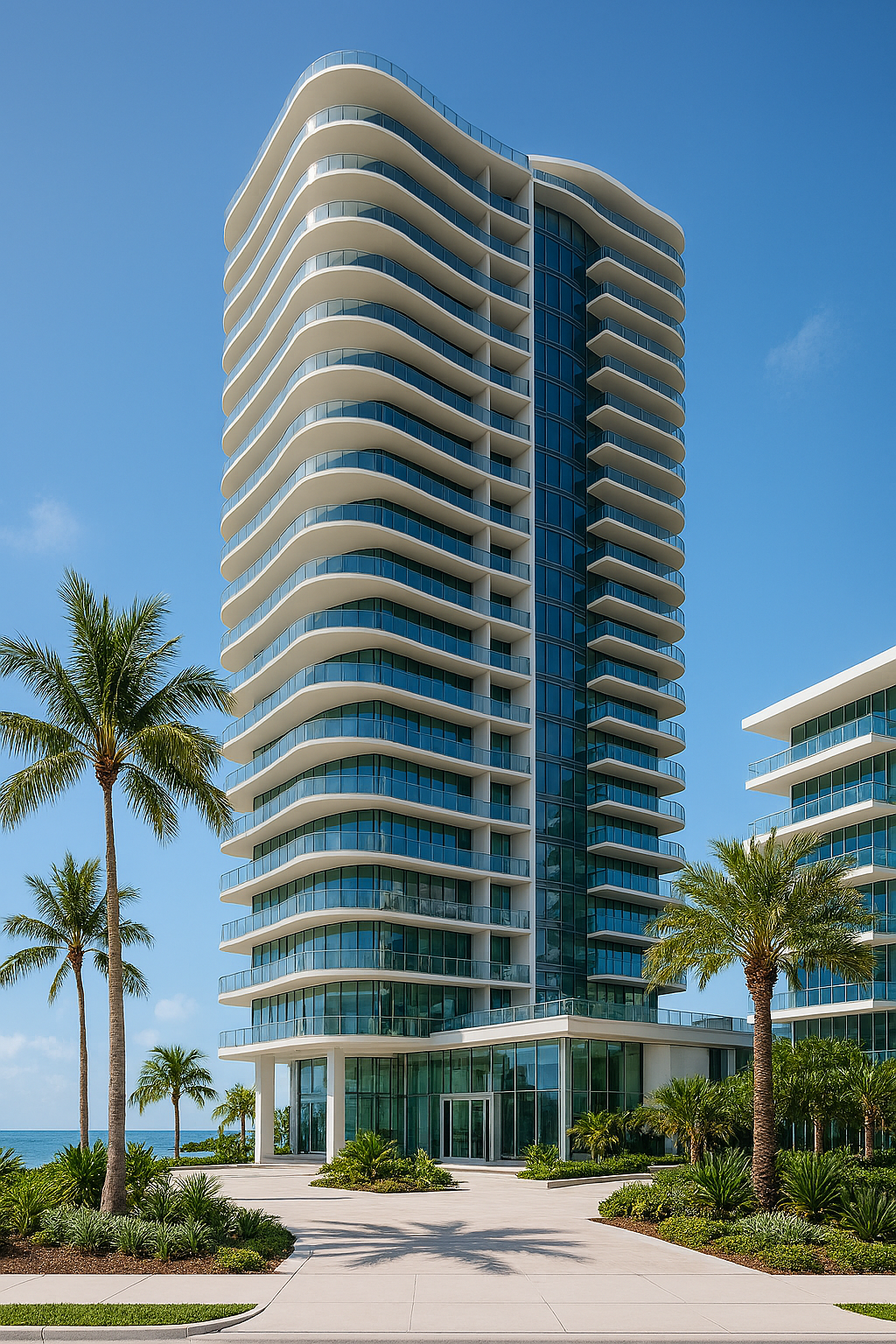
Florida Real Estate Market Update 2026
25 Jan 2026Florida Real Estate Market Update 2026 Investor News
Florida remains one of the most compelling U.S. markets for investment property in 2026, propelled by steady population inflows, a diverse job mix, favorable tax environment, and major infrastructure projects. Investors should concentrate on metros where employment growth, constrained housing supply, and demographic trends support rent growth and long-term property appreciation. Here is the Florida Real Estate Market Update 2026.
Top Locations Update to Watch for Florida Real Estate Market in 2026
- Miami: International capital flows, finance, logistics, and a growing tech/startup scene sustain demand for luxury and workforce rentals. Urban infill and transit-adjacent submarkets (Wynwood, Edgewater, Little River) offer value-add opportunities for experienced operators.
- Tampa Bay: Strong healthcare, finance, and tech hiring combined with affordable suburbs make Tampa and St. Petersburg attractive for multifamily and single-family rental clusters. Submarkets like Westshore, Brandon, and Clearwater show solid rent growth.
- Orlando: Tourism, hospitality, and a growing technology and simulation sector tied to universities create diverse housing needs. Near-theme-park workforce housing, student housing, and short-term rental markets remain active but require careful regulation awareness.
- Jacksonville: Logistics, port expansion, and distribution center growth fuel demand for workforce housing and industrial-adjacent multifamily. Affordability and steady population growth make it appealing for buy-and-hold investors.
- Southwest Florida (Fort Myers, Naples): Retiree migration and high-net-worth second-home buyers support both luxury condos and higher-end multifamily; watch seasonal demand and insurance costs.
- Panhandle and secondary markets (Pensacola, Gainesville, Tallahassee): University towns and regional healthcare hubs provide stable rental demand and lower acquisition costs for smaller investors.
Types of Properties to Consider
- Workforce and mid-market multifamily: Across Florida, demand for affordable-to-moderate rental housing near employment centers is strong and typically produces stable occupancy.
- Garden-style and suburban apartments: These offer lower construction costs and appeal to families seeking space and proximity to good schools and transit corridors.
- Value-add multifamily (class B/B-): Renovating interiors, upgrading amenities, and enhancing curb appeal can create outsized returns where modern inventory is scarce.
- Single-family rentals (SFR) and build-to-rent: Fast population growth in suburbs makes SFR clusters attractive, particularly for families and long-term renters.
- Short-term rentals (STR): High-yield in coastal and tourist markets, but success requires mastery of local STR regulations and seasonal volatility.
- Industrial/logistics: Last-mile warehouses near ports and major highways are in high demand, though they typically need specialized underwriting and higher capital outlays.
- Opportunistic rehab and small multifamily: Urban neighborhoods undergoing revitalization in Miami, Tampa, and Jacksonville can deliver strong equity upside.
Job Markets and Demand Drivers
- Finance, international trade, and technology (Miami): Continued global business and fintech expansion draws high-wage jobs.
- Healthcare and education (Tampa, Jacksonville, Gainesville): Large hospital networks and universities provide employment stability.
- Tourism and hospitality (Orlando, Southwest Florida): Generates strong seasonal and service-sector housing demand; diversification into other industries is growing.
- Logistics and distribution (Jacksonville, Tampa Bay): Port expansions and reshoring trends underpin industrial growth and workforce housing needs.
Housing and Development Trends
- Limited developable coastal land and entitlement complexity in some counties keep vacancy tight in core urban and coastal markets; suburban development remains active.
- Resilient design and resilience planning (elevation, flood mitigation, hurricane-resistant construction) are increasingly important and can command higher rents or insurance advantages.
- Mixed-use, walkable projects and transit-oriented developments continue to capture premiums, especially near growing employment hubs.
Multifamily and Rehabilitation Financing Options (2026)
- Agency financing (Fannie Mae, Freddie Mac): Competitive long-term fixed loans for stabilized multifamily; useful for value-add deals meeting program thresholds.
- FHA multifamily and 223(f): Attractive for acquisitions with rehab needs and for moderate-income housing with favorable amortization terms.
- Construction and bridge loans: Short-term capital for ground-up multifamily or repositioning; higher rates but flexible for experienced sponsors.
- Private lenders and hard-money: Suitable for small rehabs or fast transactions, but with higher costs.
- 203(k) and FHA renovation programs: Helpful for small-scale SFR rehab investors rolling purchase and rehab into one loan.
- State and local incentives, including affordable housing credits and resilience grants: Can support developments with long permitting timelines but require compliance expertise.
- Opportunity Zone and EB-5 structures: Tools for large projects seeking tax advantages or foreign capital, though complex to structure.
Underwriting and Risk Considerations
- Stress-test for insurance cost volatility, hurricane risk, and flood-zone implications; factor higher property taxes in certain counties.
- Use conservative vacancy and rent-growth assumptions given seasonal demand in tourist-driven markets.
- Prioritize markets with diversified employment bases to reduce exposure to single-sector downturns.
Bottom Line for Florida Real Estate Market Update 2026
In Florida, target workforce-oriented multifamily, strategic value-add rehabs, and select SFR clusters in Miami, Tampa Bay, Orlando, and Jacksonville. Consider coastal and secondary markets for niche yields. Align financing with the asset lifecycle—agency and FHA for stabilized holds, bridge/construction for development, and specialized programs for affordable or rehab projects—while explicitly accounting for weather-related risks and insurance dynamics.
Florida Hard Money Lender Alpha Funding Corp
Alpha Funding Corp is a leading provider of Florida bridge loans and commercial hard money lending solutions in Florida, offering fast, flexible capital for real estate investors navigating competitive markets like Miami, Fort Lauderdale, and Tampa. For bridge loans in Miami, contact us today.

No Comments